
how to use furnace cement manufacturer Grasping strong production capability, advanced research strength and excellent service, Shanghai how to use furnace cement supplier create the value and bring values to all of customers.
 WhatsApp)
Some furnace cement can be fired fast heat set Some are airset Some are ok to get wet after drying and before fireing And in your case some if wet before fireing will melt into a pile and run away You had better try the watering out on a small piece first wink Ive
For example if you use ½ gallon of Furnace cement you will need to purchase 2 gallons of Perlite What to Do Mix the ingredients together thoroughly using the above measurements Be sure to stick to the formula If you use more than 4 parts Perlite for each part of Furnace cement the results will be weak
The damaged area is about 14 by 6 inches mostly loss of old mortar and some small chunks of brick missing Heat using low temp for initial firing gradually increase temp to allow cement to cure to a solid and durable mass
Step 1 Make a Hole in the Edge of a Steel Bucket Firstly youll have to grab a steel bucket the size depends on how big you want your furnace to beDrill a hole on the edge of the bucket then using pliers make the hole large enough for an inch thick PVC pipe to pass through
Nov 09 2006· I use furnace cement on my stove pipes and after an hour I just fire her up like normal and the cement seems fine Maybe you should just build a small kindling fire let it burn out and cool then you should be good to go
Nov 15 2019· Mix the furnace cement with a stir stick to make sure it''s thoroughly combined Then use a 2 in 51 cm paintbrush to spread the cement on top of the wool Make sure all of the exposed surfaces are completely covered so heat doesn''t escape Let the cement cure for
Convenient and simple to apply this cement comes premixed and ready to use Its strength and smooth consistency makes it perfect for seals between metal and metal or metal and masonry joints Other uses include repairing furnaces firebricks minor gaps sealing joints and adhering ceramic logs
Oct 21 2014· Suitable for use on cast iron materials steel and firebrick this adhesive is toxicfume free and able to conveniently fit in a standard caulking gun Note This furnace cement contains sodium silicate It should not be used without safety goggles and chemicalresistant gloves Note This furnace cement contains sodium silicate
1 part Fire Cement rated at least 1400° or higher For brass at least 1800° Let dry at room temp for several days Then bake at low temp 225275 for several hours and no smoke or steam coming out of it Then let it cool down completely and repeat at a little higher temp each time till its fully baked in
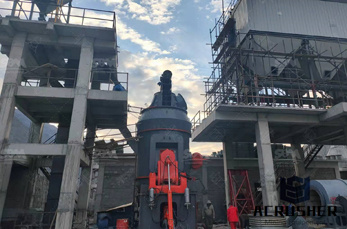
Cement is manufactured through a closely controlled chemical combination of calcium silicon aluminum iron and other ingredients Common materials used to manufacture cement include limestone shells and chalk or marl combined with shale clay slate blast furnace slag silica sand and iron ore
Apr 19 2007· I have been working on some various projects and using 3000 deg F furnace cement tonight I walked out to the shop just to take something out there and check on some things I have drying One of the larger pieces had a considerable amount of water on it I cast thses parts on Sunday The cement is actually hard it is just the water coming out of it
just try and get a scraper and get the looser stuff out of the way then use a wire brush as well or even a wire wheel on on a drill or grinder see how that works out just use heavy gloves a respirator or mask and eye protection sometimes these wire tools touch your hands and debris flies around
Apr 05 2012· You will also want to have some Furnace Cement to use as a sealing coat on your lining The Furnace Cement has about the consistency of roofing tar and is very sticky It is MUCH easier to work with if you add about 2 cups of water per gallon of cement This makes it more like a thin plaster
Jun 07 2016· 21 hours ago Gary Mulkey said Glad to This an old blacksmiths technique called a wheat twist Its made with two pair of round rods With the ends welded together one is twisted clockwise and the other counterclockwise Its important to regulate the heat and that is
Rutland presents the best allpurpose furnace cement adhesive that effectively creates metaltometal and metaltomasonry joints that you can be assured is smoke tight airtight and inviolable This adhesive can withstand temperatures of up to 2000F and can effectively cement 18 wide metaltometal and metaltomasonry joints
Lightly dampen the surface area with water Stir the cement Add a small amount of water if it is too thick to spread Apply cement evenly with a damp trowel Clean up spills immediately after use Air dry for 24 hours then heat gradually when first starting fire Must be heat cured Not for exterior use
Apply the refractory cement to the surface on which it is being installed using a trowel Like typical cement the more you run the trowel across the surface of the cement the smoother it will be as the smaller chunks of sand or brokenup firebrick sink and the smoother lighter elements of the refractory cement rise to the top
Oct 07 2009· Ive read about some of you guys recommending applying furnace cement to the interior pipe joints to increase the air tightness of the stove The stuff I bought doesnt have very good directions So I have some dumb questions How do you apply it With a brush Do you put it on before you
Furnace cement is perfect for sealing between your firebricks sealing the collar to the top of your wood stove or to bond and seal metal to metal or metal to masonry joints less than 18 The smoother consistency provides for an easy application Use it to seal and repair boilers furnaces fireboxes flue pipes stoves ducts
So dont throw that wood stove out when a crack appears the repair isnt as difficult as it seems Furnace cement will seal the crack and get the stove back in working order Make this a DIY project and save yourself money on the cost of repairs or a new stove Turn the stove off and allow it
RUTLAND Furnace Cement is premixed and ready to use making it one of the easiest cements to apply Use this smooth consistency cement to bond and seal metal to metal or metal to masonry joints less than 18″ Fix a crack seal the collar to the top of a wood stove or seal between firebricks and prefabricated fireplace
In Building Materials in Civil Engineering 2011 423 Portland Blast Furnace Cement Portland blast furnace cement simply called slag cement refers to the hydraulic binding material ground by mixing Portland cement clinker granular blast furnace slag and appropriate amount of gypsum codenamed P • S The mixed amount of granular blast furnace slag in cement is 20 70 by weight
WhatsApp)
 Online Chat
 Sales Hotline